Web design and development in Alaska
You get a website designed around the enquiries and information your customers need, with page layouts for desktop and mobile and search setup built in. For your Alaska business, we start by understanding what visitors need to do, then shape the pages around that purpose. MSH Technologies is a studio in India, and we work with you remotely throughout the project.
- 250+ projects delivered
- Reviews on Google ↗
- Reply within 1 working day
Reply within 1 working day
What happens next
- 01Tell us what you need, in the form or on WhatsApp.
- 02Sohail replies within 1 working day (Mon–Sat, IST).
- 03We agree the scope together, then send your quote.
- Projects delivered
- 0+Projects delivered
- Years building for the web
- 0+Years building for the web
- Live and in use
- 0%Live and in use
What you get
What’s included in website design & development
UX & page design
Sitemap, wireframes and page designs for desktop and mobile, refined with your feedback.
Custom development
Clean, fast code in Next.js, or WordPress when your team needs full editing control.
Content management
An editor for pages, news, projects and careers that your team can use without training.
Forms & enquiries
Contact and quote forms routed to the right inbox, plus WhatsApp and click-to-call.
Search-ready build
Metadata, structured data, sitemaps and fast load times on every page.
Launch & handover
Domain, email, analytics and Search Console set up, with a walkthrough for your team.
Tools we use: Next.js, React, WordPress, Tailwind CSS, Vercel, Cloudflare.
Choosing
Should you choose WordPress or a custom website?
WordPress suits a team that publishes often and wants to edit most of the site itself. Its choice of plugins gives you ways to add features, but someone needs to keep those plugins and the site up to date for security. Before choosing it, decide who will make routine changes and how much of the site they need to control.
A custom Next.js site suits a business that wants fast pages, tight security and a design without template limits. It is a good fit when you are happy for a developer to handle structural changes. A separate editor can still be included, so your team can manage content without changing the underlying page structure. We recommend a platform after learning how your team works: who publishes, what they need to change, and where developer help fits. That gives you a clearer basis for choosing than a feature list alone.
Local
What Alaska businesses need from a website
For oil and gas suppliers, a website needs to explain capabilities clearly enough for a prospective buyer to make contact. Capability pages, certifications and downloadable specifications give visitors useful detail, while a quote form can ask for the information needed to prepare a response.
Seafood businesses handling products such as salmon, cod, pollock or crab need a clear route from an enquiry to the person who will answer it. We plan where quote requests go, who receives them and what the visitor sees after submitting a form.
For lodging businesses serving visitors, the sitemap and page structure need to make the information a visitor is seeking easy to find. Agreeing who owns the content, forms and launch tasks gives your team a practical way to keep the project moving.
Rules
What a US website project needs to handle
For a business open to the public, US guidance says the ADA covers goods and services offered on the web and identifies WCAG as helpful guidance. We use that guidance when planning the pages and set up a clear heading structure, so the content has an order visitors can follow. The guidance does not set a detailed web standard for these businesses; it gives us a basis for reviewing the design as the site takes shape.
How it runs
How a website project runs with us
We work remotely over video calls, WhatsApp and shared project boards. India is 14h30m ahead of Alaska, or 13h30m in summer; the shared board gives you a place to leave feedback and see what needs attention across that difference.
- 01
Discover
Tell us who buys from you, why they choose you and what visitors should do on the site. We learn about your business and agree the scope with you.
- 02
Plan
We prepare the sitemap and wireframes. Review the content and its order at this stage, before focusing on colours and visual details.
- 03
Design
We create desktop and mobile page designs and refine them with your feedback before the build begins.
- 04
Check
Before launch, proofread each page, submit each form and confirm who receives its messages. This gives you a chance to catch errors visitors would otherwise see.
- 05
Launch
We set up your domain, email, analytics and Search Console, then walk your team through the setup.
Checklist
What to have ready before we talk
Gather these items and decisions so we can discuss the work in practical terms.
- Your logo in SVG, AI or EPS, plus brand colours and fonts, or a note that you need them created.
- The site's goal and the person who handles each type of enquiry.
- Photos of your team, premises and finished work.
- Examples of websites you like and dislike, with a short reason for each.
- Case studies, permitted client logos, testimonials, certifications and memberships in a folder.
- Account details for your domain, hosting, email, analytics and Search Console, or the name of the person who holds them.
Cost & time
What affects the cost and work involved
The scope determines how much design, build and checking work your website needs.
Page templates
Distinct layouts need more design and build work than pages that share a template.
Features
Booking, calculators, member logins, languages and CRM connections add design, development and testing work.
Content readiness
Copy and photos ready to publish reduce the work; writing, photography or translation add to it.
Migration
Moving an existing archive of posts, news and downloads adds transfer and checking work.
Avoid
Mistakes to avoid when building your website
Choosing the platform too early
Decide who will update the site and how often before settling on the software.
Leaving real copy until the end
Use actual headings and paragraphs in the designs so their length is accounted for.
Copying every old page
Keep the pages visitors need and make service information clear enough to scan and maintain.
Leaving search setup until after launch
Check page titles, the sitemap and indexing settings before the site goes live.
Our work
Projects we’ve built
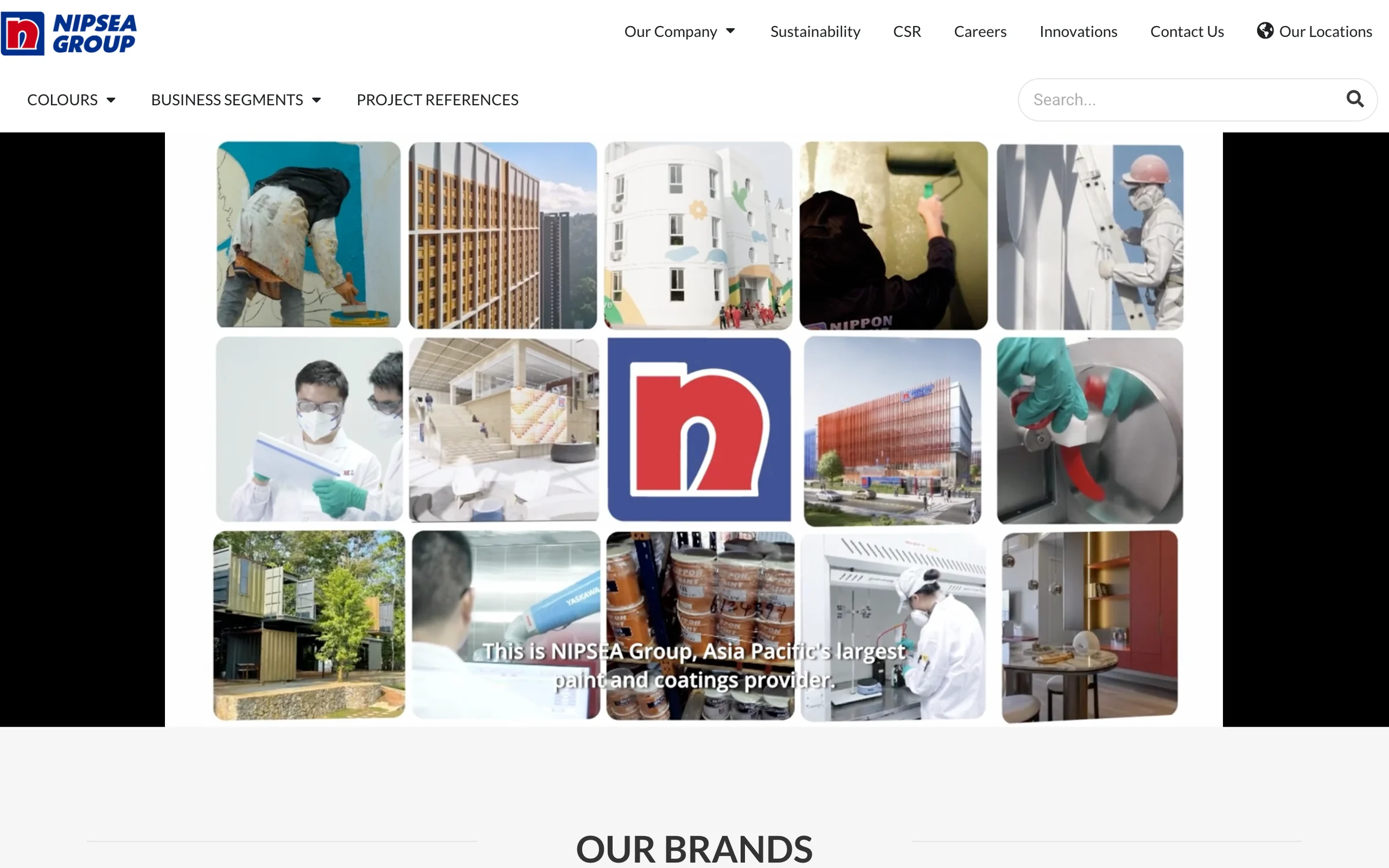
- NIPSEA GroupGroup website for NIPSEA Group (Nippon Paint), Asia Pacific’s largest paint and coatings group, headquartered in Singapore with more than 147 companies across 28 locations.nipsea.group
- iWISERSBrand website for iWISERS, a social and data intelligence agency that tracks every conversation about a brand and turns it into action.iwisers.com

Questions
Asked by businesses in Alaska
Page updated 5 November 2026
How much does it cost to have a website built?
There is no fixed price for every website. The work grows when you need a separate content editor and custom front end, or when service descriptions, case studies and photos still need to be gathered. We agree the scope with you so the quote reflects what needs to be built.
Is web development still worth paying for?
It can be worthwhile when the site has a clear job and you measure how it performs. For example, a product startup needs a plain explanation and a way to join a waitlist or book a demo. You can track form submissions, calls and WhatsApp clicks in analytics and review which pages visitors came from.
Could I use a website builder instead?
Yes. A hosted builder such as Wix, Squarespace or Webflow can suit a small site you want to run alone. Check the trade-offs before you choose: you have less control over code and speed, and moving away from the builder later can mean rebuilding the site.
What is included in the website build?
We build the pages, content editor and enquiry routes your team needs. The editor covers pages, news, projects and careers; contact and quote forms go to the right inbox, with WhatsApp and click-to-call options. At handover, we also set up analytics and Search Console and walk your team through them.
Will I own the website?
Yes. You own the domain, content and code. Keep your domain and hosting accounts in your business's name, then grant access to the people doing the work. That way, your business holds the accounts instead of having to ask an agency or freelancer for access later.
What support is available after launch?
We provide ongoing support after launch. Before that, the build is tested on real devices and browsers, and your team gets a walkthrough. It also helps to name the person responsible for keeping news, project and job posts current, so those updates have an owner once the site is live.
Tell us what you need
Sohail, Founder, replies within 1 working day (Mon–Sat, IST). Free and no obligation.
Website design & development nearby